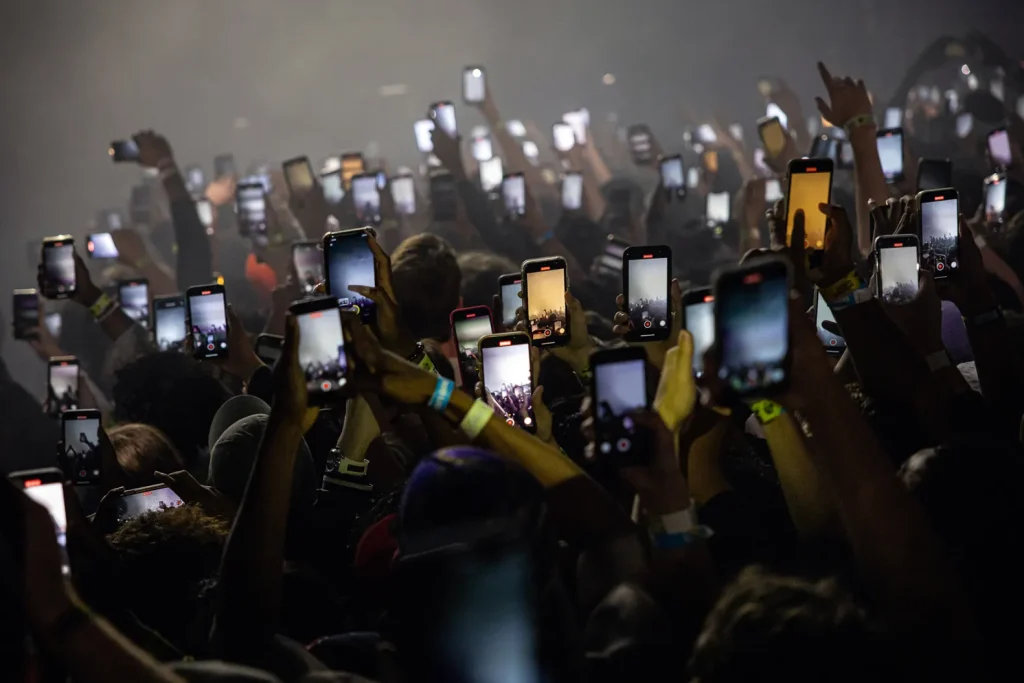
There are many fandoms throughout the world, based on a wide variety of characters, settings, films, and much more. The many unique fandoms span multiple industries and intersect with all varieties of the human experience, yet they all form communities around these interests.
Fandoms are active agents within these interests, who tend to use this collectively for bringing constructive, productive, and often positive actions to life. There are many benefits to generating a fandom, but how do you turn a causal audience into a fandom?
How to create a fandom
In this article, I will be looking at the different marketing and design strategies to utilize when aiming to build a fandom.
Aside from making a great product, you can increase the chances of generating a fandom by how you approach the layout and marketing of your content through multilayered consumption plan. This provides the ideal channels for generating fandoms from a marketing and content standing.
At the same time, the creative design process for the product should be geared towards planting the seeds of fandom through resonance and other sociological strategies we will discuss.
Definitions of Fanship and Fandoms
Fandom is collectivism. In the singular sense, someone liking or loving something or someone does not constitute a fandom. Even if other people simultaneously like the same thing or person, these are all understood as individual manifestations of Fanship (not to be confused with Fandom). Fanship is focused primarily on the user favoring one thing over another, while fandom is a collective community which connects the individual fans.
In the digital world, fans, audiences, creators, consumers, and influencers are more intertwined than ever. Its better to have fans than consumers. Unlike audiences, fans don’t see themselves as a separate entity from the brands, people, and things they love. This result in improved Sales, Conversion, Pledged average, Social media engagement and Value
The User Journey From Consumer to Fandom
- User knows nothing of the IP.
- User has first interaction with IP.
- From here the user will enter into varying degrees of consumption, and maybe we have an interest now.
- User’s interest grows, we are defending, recommending, now as a consumer you are creating value, spreading the work, getting more consumers.
- People go and learn, maybe they want to learn more. Maybe you socialize. Maybe you create art. Write, cosplay, memes, craft theories, etc.
This is a process we all know. But how doe sit work as a creator.
Multilayered consumption
What is it? Its Right now most fictions are actually multilayered. There are many layers of consumption available. You need shallow levels for first interaction, and deeper levels for fans.
- Create an enticing first bit. Make the shallow levels of your fiction accessible, appealing, so that a stranger is enticed to that first interpretation.
- Achieve smooth transition from first interaction to consumer, to fan. Allow multiple levels if depth for people go into.
- Achieve fans, who connect with your fiction on a deeper level, become creates and collaborators.
Identify potential layers of consumption
It’s good for a creator to ask oneself if there are opportunities. Are you building a great game, but building a place for engagement, debate? A character that can be cosplayed? Theories? Discussion? Are you building a community of likeminded people. Do you have mysteries?
Reflect on if there are opportunities. Open your production both these multilayered consumptions.
A number of insights help with achieving this.
First bite:
The ways to get a stranger to have an interaction with your fan fiction.
- Exploring theme trends,
- offering a big first choice,
- or a high pitch.
Throw people directly into making a first choice
- Get them intrigued
- Based on the idea of creating something to be marketed, its very important to frame the perception of that audience. Do you want the product? Yes or no?
- No
- Which soda do you prefer? This overrides the initial question and gets people thinking deeper.
- Helps you to make your audience to get past the first wall of disinterest.
- Harry potter example: instead of asking do you want to read harry potter? Ask what house do you want to be in? overrides the initial question.
- Human being are often organize information in categories and groups. These create shortcuts to make easier decisions. So we are also intrigued by questions, were want to understand them.
- Which character would you pick?
- Why are Facebook tests so popular?
- They throw a stranger into the community, building a sense of belonging and identity.
- Gives sense of belonging, a sense of identity, how we are continually looking for ways of defining ourselves.
All about immersion
- Twisted tropes
- Perceived Depth
- Little meaningful details
- The power of the relatable.
Ask questions to your fiction. “What house would I be in at Hogwarts?” results in projection.
Mundane within the fantastic
Value the mundane within the fantastic. Use resonance to make characters recognizable and personable. Keeps them relatable. Grounds your fiction. Enough that the player can imagine themselves there, but enough fantastic elements to make it exciting. Care about connection
- School and tradition.
- School – zombies
- Boring office – gods
- Lawyers office – superheroes
- Endless brainstorming
Voice and Values
Flesh them out Make characters feel real.
- Voice and values are recognizable tropes. Don’t try to reinvent the wheel.
- These are pillars
Themes
Depth
Origins (why?)
Variety of voices
Divers stories
Specific yet universal
Conclusion
There is immense value in having a fandom, so much so that your design process keeps fan consumption in mind. By making them multilayered, you can draw people’s attention, hook them in and make them connect with he game on a deeper level, becoming content creators and marketers for increasing your fandom,
Julain Quijano
Creative director
Beautiful glitch
Agile Vs Scrum Vs waterfall
People and brands lucky enough to have fans should be reactive about engaging with them. Paying attention to uninhibited, passionate fandom can lead to more than understanding what differentiates them from audiences: it’s an opportunity to harness the power of creativity, proactivity, and collectivism that makes fandoms unique.
Dangers of fandoms
Fans are aware of their power to make or break (or remake) not just characters, but entire shows. For those whose success depends on how multitudes of devotees will welcome (or pushback on) their creations, this power can be a source of great anxiety. Particularly when fandom demands prove more difficult to address than the redesign of a character.
Fandoms don’t let their heroes die without a fight.
This means that fans are “no longer a faceless entity occasionally thanked by actors as an afterthought in awards acceptance speeches,” as Katie Wills from The Independent observes. ”Now, they are part of a dialogue with the power to change plots and even get a series recommissioned.”